

How CRM Software Strengthens Customer Relationships

How CRM Software Strengthens Customer Relationships
Customers connect with businesses in many ways, such as social media, online stores, emails, and even in-person visits. Keeping track of these interactions and knowing what to say next can be tricky. In this guest post by Brevo, we explain how a CRM can help.
What is CRM?
Customer Relationship Management (CRM) software is a digital tool that helps businesses keep track of customer interactions, manage sales, and run marketing campaigns. Companies of all sizes use CRMs to strengthen customer relationships, boost sales, and grow their business.
A CRM’s main job is to gather customer data from different sources, like websites, apps, and communication channels. It stores everything in one place, from phone calls to purchase history, giving businesses a complete view of each customer.
Many CRMs also include features that make sales, marketing, online shopping, and customer service more efficient. By using these insights, businesses can better guide customers through their buying journey.
A report by Forrester found that CRM software can boost conversion rates by up to 300%. If you’re looking for a way to lower costs while increasing revenue, investing in a CRM is a smart move.
What Can a CRM Do?
A robust CRM offers businesses insight into the customer journey while providing tools for teams to collaborate and execute business processes efficiently. Here’s how CRM software can benefit your business:
1. Streamline Contact Management
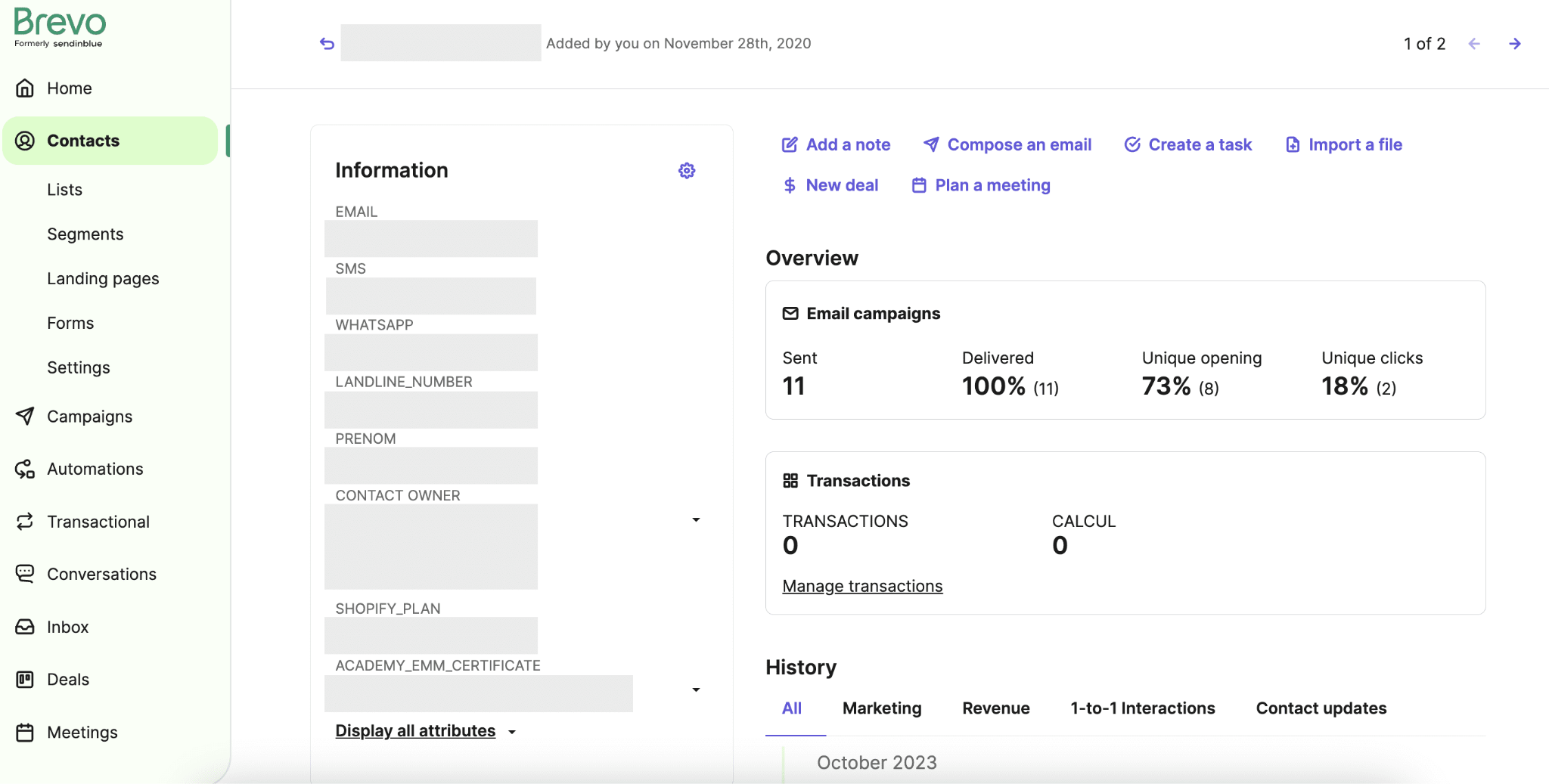
Each contact in a CRM has a dedicated profile that updates automatically with customer interactions. Businesses can track email opens, purchase history, and revenue contributions with ease.
With a CRM like Brevo, teams can schedule meetings, send emails, and assign tasks based on a contact’s specific needs. In-depth interaction tracking ensures that businesses understand where prospects are in their customer journey, leading to more personalized experiences.
2. Enhance Collaboration Between Marketing and Sales Teams
Traditionally, data entry was a manual process, requiring teams to share information in an endless cycle. CRMs eliminate this inefficiency by offering a shared dashboard that updates in real-time. Marketing, sales, and customer service teams can access the same information without redundancy, ensuring seamless collaboration.
3. Identify and Prioritize Leads
Lead scoring models assign points to contacts based on their level of engagement, helping businesses determine which leads are most valuable. Actions such as signing up for a webinar or clicking an email link can increase a lead’s score, indicating their readiness for sales outreach.

For example:
- Ecommerce brands might send a warm lead a discount code.
- Real estate agents might schedule a call with a high-scoring lead to discuss property visits.
4. Optimize the Sales Process
A sales pipeline in a CRM visually tracks where customers are in the sales cycle. Teams can monitor when leads transition from marketing to sales outreach, ensuring timely follow-ups.
Since CRMs track all customer interactions, sales reps are well-prepared for calls, making outreach more personalized and effective.
Pro Tip: Brevo’s automation workflows can trigger marketing messages for new leads or notify sales reps when it’s time to reach out.

5. Measure Performance and Optimize Strategies
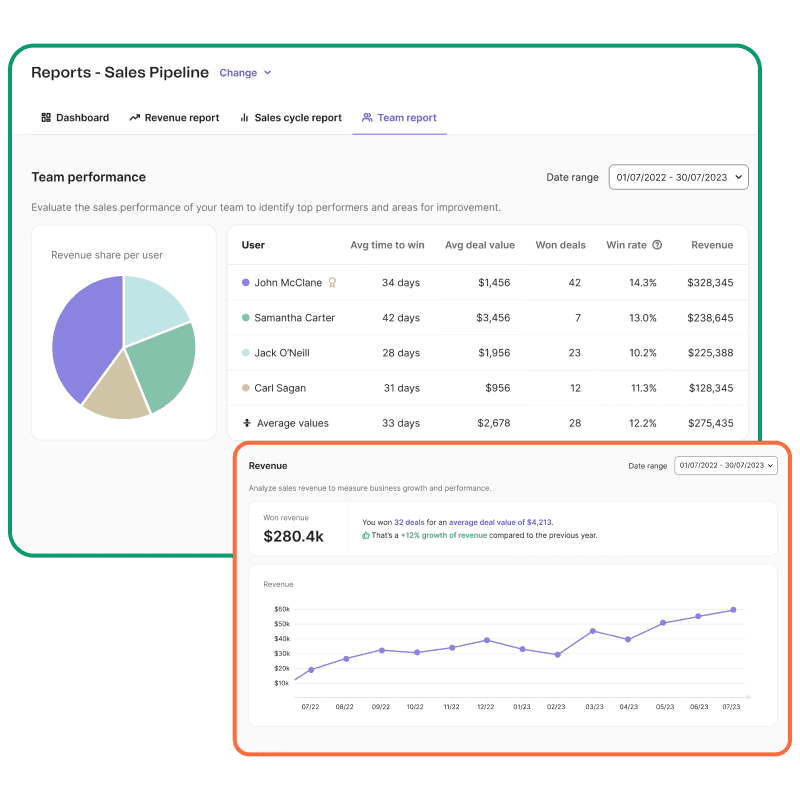
CRMs provide valuable analytics and reports, offering insights into conversion rates, pipeline performance, and marketing effectiveness. Businesses can pinpoint strengths and weaknesses in their strategies, allowing for continuous improvement.
For example:
- Sales reports reveal win/loss rates and sales cycle durations.
- Marketing reports track email open rates, click-through rates, and unsubscribes.
Types of CRM Software
There are three primary types of CRM software:
- Cloud-Based CRM: Hosted by the provider, accessible from anywhere, and highly secure. Examples include Brevo, HubSpot, and Salesforce.
- On-Premise CRM: Installed on a company’s server, requiring in-house maintenance. Typically used by large enterprises with dedicated IT teams.
- Open-Source CRM: Customizable and free to use, but requires advanced technical expertise to maintain.
Most businesses prefer cloud-based CRMs due to their accessibility, security, and integration capabilities.
Essential CRM Tools for Business Growth
A well-rounded CRM suite includes tools to streamline marketing, sales, and customer service efforts:
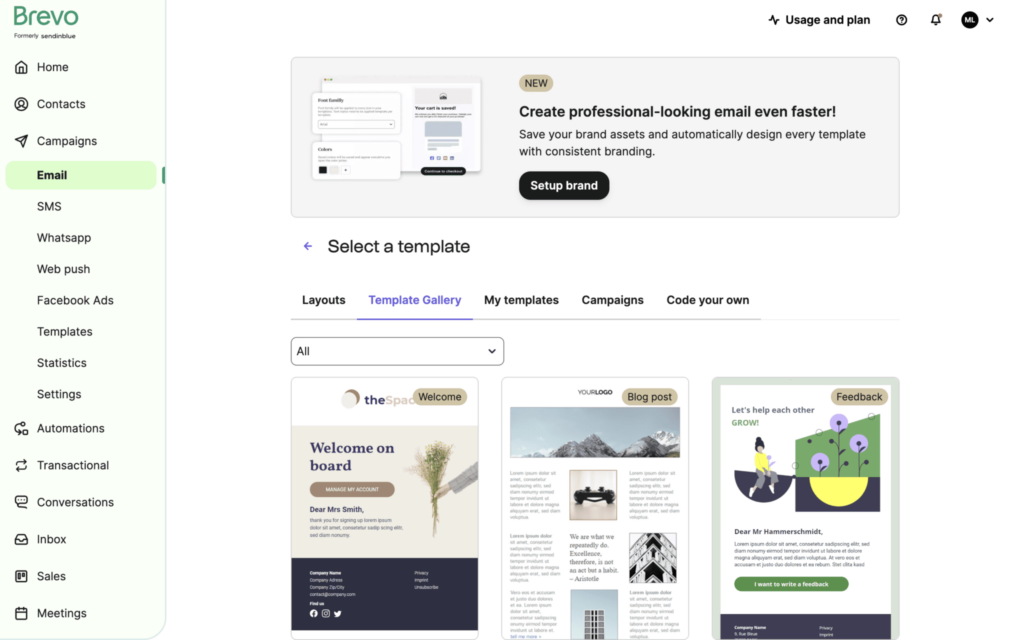
- Multichannel Marketing: Create and manage campaigns across email, SMS, WhatsApp, and push notifications.
- Marketing Automation: Set up workflows to trigger campaigns based on customer actions.
- Customer Segmentation: Sort contacts into targeted audience groups for personalized marketing.
- Sales Pipelines: Track where customers are in the buying journey.
- Lead Scoring: Identify high-priority leads and optimize outreach.
- Customer Conversations: Use live chat, chatbots, and social messaging for instant support.
- Ecommerce Dashboards: Monitor revenue and optimize marketing strategies.
- AI-Powered Tools: Automate content personalization and campaign optimization (e.g., Brevo’s AI Assistant).
The Business Impact of CRM Software
1. Stronger Customer Relationships
With access to detailed customer data, businesses can deliver personalized experiences, increasing customer engagement and loyalty.
2. Enhanced Customer Support
A CRM allows customer service teams to quickly identify and resolve issues, reducing churn and boosting retention rates.
3. More Effective Marketing
CRM data eliminates guesswork, allowing marketing teams to craft relevant offers based on real customer behavior.
4. Higher Productivity
Automating repetitive tasks frees up teams to focus on high-impact activities, maximizing efficiency.
5. Increased Sales and Reduced Costs
By prioritizing high-value leads, sales teams can close deals faster. Additionally, businesses save on marketing research and data entry costs.
Getting Started with CRM Software
Implementing a CRM is a crucial step for business success. Here’s how to get started:
- Import Contact Lists: Ensure contacts have opted into marketing messages.
- Organize Customer Data: Match contact details to CRM attributes.
- Integrate Your Apps: Connect marketing, ecommerce, and communication platforms.
- Launch Campaigns: Send personalized emails and SMS messages.
Pro Tip: Brevo’s CRM offers free, unlimited contact storage, making it a cost-effective solution for businesses looking to scale.
Choose the Right CRM for Your Business
If you’re ready to take control of customer relationships and drive business growth, Brevo’s CRM is an excellent choice. Brevo offers dynamic customer profiles, sales management, multichannel marketing, and automation features tailored for businesses of all sizes.
Start your journey with Brevo’s free Sales Platform plan today and experience the power of CRM firsthand!
PS: Use code ECB to save 50% on Brevo’s Starter and Business Plans for the first 3 months on an annual subscription Let’s take your customer engagement to the next level!
Guest Author: Brevo is an all-in-one CRM suite that helps you build customer relationships across email, SMS, WhatsApp, chat, and more.