

Beyond Followers: How to Build a Brand Community | #262 Raquel Rincon
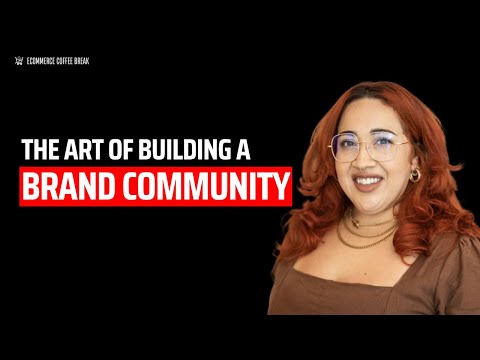


In this podcast episode, we discuss how to build a brand community that creates exponential impact. Our featured guest on the show is Raquel Rincon, Partner Success Manager at partnerhero.com.
On the Show Today You'll Learn:
- The impact of community building on a brand’s marketing.
- How to organically grow a community around a brand for increased engagement.
- The power of Facebook groups in creating a dedicated space for the brand's fans.
- The importance of user-generated content and memes in building a strong community.
- Find out how Taylor Swift's team leverages user-generated content to strengthen her community.
- The essential role of customer service and community management in e-commerce success.
Links & Resources
Website: http://partnerhero.com
LinkedIn: https://www.linkedin.com/company/partnerhero
LinkedIn: https://www.linkedin.com/in/rockyrincon/
About Our Podcast Guest: Raquel Rincon
Raquel Rincon is a seasoned Customer Success Professional and has been with PartnerHero for a year and a half. As a Partner Success Manager, Raquel helps our partners achieve their goals by gaining an understanding of their larger business goals and offering solutions to achieve the best possible results. She has spent over a decade in the beauty industry, and advocates for our beauty and fashion partners.
Listen & Subscribe on your Favorite Podcast App:
Apple Podcasts | Spotify | Amazon/Audible | Google Podcast | YouTube
Please support the show if you liked today's episode:
- If you love the podcast, please get someone else to listen, too!
- If you enjoyed this episode of the Ecommerce Coffee Break podcast, please head over to Apple Podcasts, leave a rating, write a review, and subscribe.
- Share the podcast with your family, friends, and co-workers.
- Tag the podcast on Instagram @clauslauter and let me know what you like about it.
- If you like the content and would like to support the podcast, you can buy me a coffee here.
- Become a guest on the show or sponsor an episode.
Claus Lauter: Hello, and welcome to another episode of the e commerce coffee break podcast. Today, we want to talk a little bit about community building, what kind of impact that has to your brand and how you do it the best way. With me to talk about this topic, I have Raquel Rincon. She is a partner success manager at partnerhero.com. She's a seasoned customer success professional and has been with Partner Hero for a year and a half. And she has spent over a decade in the beauty industry and advocates for our beauty and fashion partners with Partner Hero. So let's welcome her to the show. Hi. Hi, Raquel. How are you today?
Raquel Rincon: happy to be here.
Claus Lauter: Let's dive right into it. Community building. Everyone wants to have a huge community around their brand. It's not an easy task. How would you start with that?
Raquel Rincon: Community is something that can happen organically for any brand. So as you begin to get clients and. particularly loyal clients, they will want to participate in your brand, right?
So they're going to want to fill in on the newsletters or subscribe to the newsletters. They're going to want to follow you on Instagram. They're going to want to follow your TikTok. So they're going to really want to stay engaged. If they really, really like your product, they want to know when all the deals are coming, any new features that are coming out.
whatever it is surrounding your brand. And what you'll find is that as people begin to grow this loyal loyalty towards your brand, they're going to start shouting you out on social media. They're going to start creating their own lingo, right? One example. That I always talk about is Taylor Swift.
And if you aren't a part of that community, the scale of this community, right? It is something that has really been built organically. It's something that Taylor Swift's team leverages. So her team, is there to look at all of the user generated memes the user generated, tick tock viral sounds that people do surrounding Taylor Swift, and they're there to keep an eye on it, but not just keep an eye on it, encourage it, leave comments on these things.
And it really creates this community around Taylor Swift so that when these people that love these Swifties, I should say, as these Swifties attend her concerts, it's, they're not just going to a concert, they're going to. A community event, right? They're going to a meetup. They're going to a Taylor Swift convention.
They're all dressing up. It's an experience surrounded around this community. And that's obviously a much larger scale. On a simple scale, I'm a huge fan. Of Facebook groups, I know it sounds like Facebook is almost the dinosaur of social media at this point, but the 1 thing they do really well and what keeps them going is their Facebook groups.
And if you can create a Facebook group surrounding your product, and you can get people there, whether it's like having an Instagram giveaway, where you tell people, we have a Facebook group, come join it, we have a giveaway going on, or we have a special Facebook group. Deal going on, come join it.
However you get people there, it's going to be a place where people can communicate, get to know each other, see who their fellow fans of your brand are. as I said, like organic memes, organic lingo, right. They may come up with a funny name for all of the users like Swifties.
These will be created organically and you can just lean into it. It's a place where people can even talk about off topic ideas, which sounds Weird, but you want that. You want people to feel comfortable sharing things like, I know this is a, Facebook group for this fashion brand, but I want to show you a picture of my new puppy, right?
It's totally off topic, but it's when people start doing that, it's because they feel comfortable in your spaces and they feel like there's a group there that they can lean on. So Facebook groups, getting people there is it's so simple. It's free. It's really easy to do. I always recommend to Facebook groups.
Claus Lauter: Getting started, I think is the problem because no one wants to be in a community where there's five others in there. So once you grow and you get bigger, things become easier. There's more communication. There's more posts in there and so on and so forth. do you motivate your customers, your prospects to follow you and to really get over this first hurdle of coming to a critical number where basically it starts kicking in and grows on its own.
Raquel Rincon: You really want to promote consumer engagement, right? So if you have a Facebook group we talked about having these giveaways, having these contests that might drive people to your Facebook group. Let's say you get that first 20, right? And it's still like, it's going to be a little bit stagnant.
What's going to cause that group to fail is if you're not encouraging user engagement and users to create posts, right? So if you're going to have a giveaway in that Facebook group, it shouldn't be something like you've joined the group now respond to our admin pinned Facebook post to get an entry.
Maybe that's part of it, but for a second entry, they can post a picture of their favorite item from your line, or it's a 100 gift card, they could post what they're going to spend that 100 gift on. So it starts a conversation that is not just being funneled to this 1 specific post, and nothing branches off of that.
So you want to encourage engagement, a Facebook giveaway. It sounds cheesy. It sounds corny, but it's the way people are going to start to come out of their shell and start to respond to things. I actually have a Facebook group. It's a yard sale group. It's got 2000 followers in it. And part of that success was like having a community yard sale.
So I had a community yard sale and I said, Hey, if you want to get the updates on the citywide sale, you have to join this group. Right? So I went to local groups and I said, this is how you're going to get it. And it organically grew to 2000 people by the end of the, excuse me, by the end of that, the citywide yard sale.
Claus Lauter: Would you start building a community around brand or around a topic or would you merge that together at some point? your take on that one? How do you do
Raquel Rincon: it? I'm a big fan of it being topical rather than specific to the brand. There are some brands out there that have enough fan base to do it surrounding their brand.
One that I talk about all the time is Portland Leather Goods. Like if you ever want an example of a Facebook community that thrives well, that helps produce results in terms of like sales, that's a really good one to look at. It's just called Portland Leather Insiders.
That's brand specific. But the one example I gave to a partner of ours is that they have, , a very high end stroller. I can't share the brand's name, but they have a high end stroller. What I noticed is I went on Facebook, there were 2 groups dedicated to the stroller that they did not create that they are not a part of, and that was like a combined total of 15, 000 people.
So, there were people ready and willing to participate in this strollers products and participate with this brand and, like, create a community that was like, already there what I suggested to them was to create their own group because they weren't sure about it.
One thing, it came up because they said, Oh, we have Facebook groups about our brand, but we have nothing to do with them, right? We don't participate in them. And it's like, well, why not? That's 15, 000 people that you could be selling to I'm sure there's customer service issues in there.
You could be responding directly to these groups. So I ended up writing An idea, write a proposal for them about what we could do for their social media. And it was to create a group not surrounding the stroller itself, but their stroller is really heavy duty. You can take it camping, you can take it to the beach, you can take it on like rough terrain.
So why not have like an adventurous, like parents sort of Facebook group where people are going in for recommendations on where to go hiking, kid friendly beach trips, vacation spots. There's like a group that will want to communicate around that and then you have topics that could be surrounding your stroller, but you're also having parents engage with each other.
And there is just this really good bond where people are going to naturally go to your group. The post from your group will automatically turn up on their feet because they're participating so much. Whether it's like a black Friday deal or. Memorial day sale, whatever it is, it pops up immediately on their page.
And they're regularly exposed to your brand, whether or not the posts that are coming up are directly related to your brand.
Claus Lauter: Now building a community is a part of customer experience, either it's your own community or it's an external, but it's customer experience. And that's what partner hero helps with.
How would you. A. Monitor a community. So your own community. Not sure if you can do it on an external one. And how do you deal with, I don't know, keyboard warriors, haters, critics, whatever. So what's your take on that one?
Raquel Rincon: We do trust and safety really well at partner hero.
So we actually do the customer service for grinder. And while, a community on Facebook is not the same thing as grinder. Some of the posts can be similar, right? You will have people that will want to post inappropriate. things. They'll want to post mean things, right? Things that are just mean.
There's a couple of ways to get around that. Of course, it's having your posts approved that that's like a no brainer, but you also don't want them sitting in the queue for six hours a day, right? Because that's not going to get engagement. People are going to post and forget. So you do need someone who is available to regularly maintain that queue, for.
Partner hero. That's something that we can do, right? We can provide community management so that someone is specifically monitoring your cues, making sure that they are reviewing any comments that get reported, making sure that they're keeping an eye on the post. Honestly, a community needs 24 7 support.
If you really want to be truly safe and create a safe space for the people that are part of your group. So that's something that we can do. I highly suggest having someone available. To do this for you , outside of these kind of private spaces that you create around your brand. So social media, your customer, I should say your CRM platform is going to be able to.
Intercept those questions. Immediately, right? So you can just connect it and answer questions. I think the more you can actually respond organically to your questions on social media, the better it is to create your community. so almost making your admins, like personalities, like they're influencers, they're hype men for your brand.
So people want to get a response and they think you're. Social media manager is funny. They're engaging. Wendy's does this, right? We, everyone knows Wendy's on Twitter. They respond. They're hilarious. They engage with other brands and that's how you should lean into it. It's not being so serious. Of course, depending on your product and your demographic, but Certainly as much you can do on social media that is less about a default answer, a default macro and more about these custom, like I read your ticket.
I read your question. I am going to give a custom response that is coming from my brain, my heart, what I know, and it's custom for you. For you, that's going to be the best way to get that experience.
Claus Lauter: You mentioned a community manager, obviously there's other parts with your organization that might be involved in building a community.
I can think about marketing, I can think about support, who else might be invested in building a community and what's their part in the game.
Raquel Rincon: When we think about community building, we often think of social media managers. We often think of marketing teams, but a customer service rep is someone that should be deeply involved and they should all be communicating together.
But also your product development team, because what's going to happen is people are going to start posting suggestions in your Facebook group or on social media, wherever it is they feel comfortable, right? They're going to say, Oh, man. I love this back to the stroller, right? I love this stroller so much.
I wish I had a place to put my Starbucks drink, right? Like, I wish I had it. And that could be a little something that you build. That's an attachment, right? You sell a stroller. How can you keep customers coming back if they have the stroller? Like, what else can you show them? What else can you do to make their experience with your stroller better?
Actually back to in this Facebook group suggesting for the stroller. There's that other Facebook group that they are not a part of. One thing I saw was someone promoting their third party attachment for the stroller. And I'm like, that's exactly why, this brand should be a part of these groups because there's ideas and other people are taking them and they're making money off of it.
But if there's something. outside of ideas, right? If there is someone saying, Hey, I have this, I have a hole in this sweater I bought. It's under the armpits. It's not sewn correctly. And then you have a bunch of other people saying, Oh my gosh, I bought the sweater and the same thing. I got a hole right down, the seam, whatever that is, that's quality, right?
That's something that product development can take back and say, okay, where did we go wrong in designing this product? So really. All facets can benefit from being a part of this community because it's the cost. It's the voice of the customer, right? It is exactly what the customer wants. It's what they need.
And as we like, think about overall consumer sentiment right now, the overall consumer sentiment is that products are expensive, inflation, economy, politics, whatever, right? They're concerned about. The prices of products and they are leaving brands they have been historically loyal to go to brands that are cheaper.
And it's not, cheaper alternatives is not the only reason that someone is going to leave your brand. There are certainly controllables you have. To keep a client and it's to keep them as like loyal as possible. So when you have this community, that is the voice of your customer. That's the voice you want to lean on because those are the people that are going to stay with you.
Even though there's a product that's half the price somewhere else. So you really want to lean into it. You want to engage with them. You want to make them feel like they have a place, a community that they don't want to leave, right? If they go buy an alternative. There goes the community that they're a part of.
So you really want to keep people connected to your brand by listening to their voice.
Claus Lauter: No, it makes perfect sense. Are there any examples of. Either industries or verticals where you would not recommend having a community or does it apply to every business out there?
Raquel Rincon: I think any brand could have a community.
I don't know that Facebook is going to be the place for everyone. And I don't know that even social media will be the place. in some cases. community for certain tech spaces might be a little bit difficult. Software as a sales, it might be difficult to do something that is specific to your brand.
To do something on Facebook where Facebook is, it's like an escape from your job, right? I don't go on Facebook to work. I go to see what other people are up to, what my friends are doing. I'm in a part of, in a couple of groups as well that I like to participate in. So that's why I go to Facebook.
So if I am in like B2B software sales, I don't know that a lot of people are going to want to engage in Facebook to hear that. They might be better off engaging in our LinkedIn, right? That tends to be more business, formal. Those are probably the spaces that I would rather see a B2B software sales.
But honestly, anyone could really create a community. You just sometimes have to try it and see what works and what doesn't, because again, Facebook is free. Instagram is free. Tik TOK is free. It doesn't hurt to make a Tik TOK about your B2B tech sales. It doesn't hurt. And if it doesn't work, it doesn't work takes two seconds to sign up five seconds to upload a video.
And if it doesn't work, you move on. You just, you try something different.
Claus Lauter: Okay. You're a partner hero. You're helping with coming up with strategies. To build communities to help us support. Give me a bit of an idea. How is the process? How does the process look like if somebody wants to work with partner hero and wants to look into the aspect of building a community?
Raquel Rincon: Yeah, we do a lot at partner hero. So community management is just one. We also build out, full size customer service programs. We write training material. We do copywriting and content writing. We can do some accounting work. There's we're a BPO. You can outsource us for many, many things, but I think where it starts, of course, is a solutions call and we really want to get everything from you.
So we want to get who your brand is. If you're mission driven, what is that mission? What is the voice of your brand? What is it that you want to do with what you're outsourcing for? So if you are outsourcing customer service, like, what do you really want to see? Are we just taking the easy tickets that you need to get through because they're piling up or are you lacking, the tone and the sentiment because you have too many tickets and not enough people handling them.
Do you come with training? Do you not come with training? Because if you don't, that's okay. We can build it for you. So we diagnose what you need, and we help you figure it out. We have regions all over the world that we can hire from. So if you need 24 7 coverage, the Philippines, we hire out of the Philippines.
They can work all hours of the day. If you want U. S. hours, but maybe you're not sure about U. S. pricing, we do have Honduras as well that works during the U. S. hours. So we have. any sort of requirement you need, we can help you get there. But I think what's most important about PartnerHero or what sets us apart from other BPOs is the way that we really customize our hiring to your needs.
So we're not just putting a customer service agent in seats to answer your tickets. We are hiring based on who you are as a brand. So if you are a fashion brand, there are going to be People that sign up that are that apply to let me back up. So if you are a fashion brand and. You want someone who is fashion forward, we can help find fashion forward customer service agents, right?
If you have a brand voice that is informal, we can customize your training so that we speak the way that you speak. We have some health brands that we work with health care brands. We have health care professionals that are service agents or they're going to school to become a health care professional.
So we really hire. Based on who you are as a brand to make sure that whoever we are putting on your program knows your brand speaks to your brand becomes a hype man for your brand. That's what we do at partner hero. So the 1st thing that we're going to do is we're going to diagnose what you need and then we're going to fill those seats with people who really want to be a part of your brand.
No, it's
Claus Lauter: so important to have somebody who speaks. The language of your brand and of your clients. Otherwise it feels just like not right. That's a very good approach there. Before we come to the end of the coffee break today, what is one final thoughts that you want to leave our listeners with today?
Raquel Rincon: one thought that I would like to leave here is that your customer service team, your community, it is essential to your e commerce business. I think oftentimes we see When it comes to budget constraints, as we talk about consumer sentiment, right, prices are high and it might be impacting, someone out there who is watching, it might be impacting your sales.
And sometimes our first instinct is to cut out what we feel we don't need. And oftentimes that can be customer service agents. Oftentimes that can be community managers. So I would say lean into them. And instead of. Thinking about removing them like how can you get your customer service agents to help you out with your sales to help you out with your revenue to help you save money.
There's a lot of ways that we can do it and these are questions we're getting from clients now because they're struggling to get that revenue to add on seasonal hires as they have been able to do in the past. So we talk about a couple different ways to do that and. My favorite is just like incentivizing your team, right?
We can't force the customer service agent who has solely been a customer service agent to start doing 300 sales. It's not fair, right? They, it's not part of their job description. It's not something that anyone can do, but what we can do is help incentivize them to really diagnose these calls, right?
So if someone is calling for a refund or a return, asking them why they're returning it, maybe you can. Change it from a return to an exchange. Maybe there's just a product add on that needs to happen and you can help keep track of these. There's a lot of solutions out there to help keep track of this, like upselling or these product saves and.
You can use that to incentivize your customer service agents. You can give them a bonus. You can give them swag, whatever it is you want to run your program, but there's a really easy way and effective way to help your customer service team leverage sales in a way that doesn't feel like you're, turning their whole world upside down.
So I would just say, I would recommend to anyone out there to lean on in on your customer service team, to lean in on your community managers, to help come to a plan that's really going to help you benefit or it's really going to help benefit your sales.
Claus Lauter: Very cool. Rachel, where can people find out more about partner hero?
Raquel Rincon: Yeah, you can head over to our website partnerhero. com. We will have a place there where you can. Pop in your information. We can send you a newsletter and we can meet with you one on one, just so that you can hear about what we do, what other things that we offer for you.
You can also find me on LinkedIn. I'm Raquel Rincon. If you ever just don't want to go through the solutions thing, you don't want to go through the sales thing, and you just want to hear a little bit more, you can always send me a message on LinkedIn. Cool.
Claus Lauter: I will put the links in the show notes and you just want to click away.
Rachel, thanks so much for your time today. I think that was a very good overview of why you should build a community. And I think everyone out there, if they're not doing it already, they should start now. Thanks so much for your time today.
Raquel Rincon: Thank you.
Episode Sponsors

Enhance your eCommerce business with PartnerHero. Our comprehensive support solutions, which include 24/7 customer assistance, expert marketplace insights, and self-service infrastructure, will empower your brand’s customer experience. We prioritize exceptional customer service, maintaining language standards, multi-channel support, and user/system assistance. Visit us at: https://pages.partnerhero.com/ecommerce-coffee-break Talk to us, and lets create a tailored customer support solution for you!

Get your own marketing wizard at half the cost. Boost your ecommerce business with a remote marketing assistant and say goodbye to marketing stress. Easily scale up, increase productivity, reclaim your time, and save up to 50% compared to US/EU hires. Visit https://smart-ecommerce-marketing.com today.
Get notifications when new episodes are released. Unsubscribe anytime.
In your inbox for free. Every Thursday. Consumed in 3 minutes or less. Join over 5,000 Ecommerce Merchants, Founders, and Marketers.