

Interactive Video Commerce Platform Implementation Guide
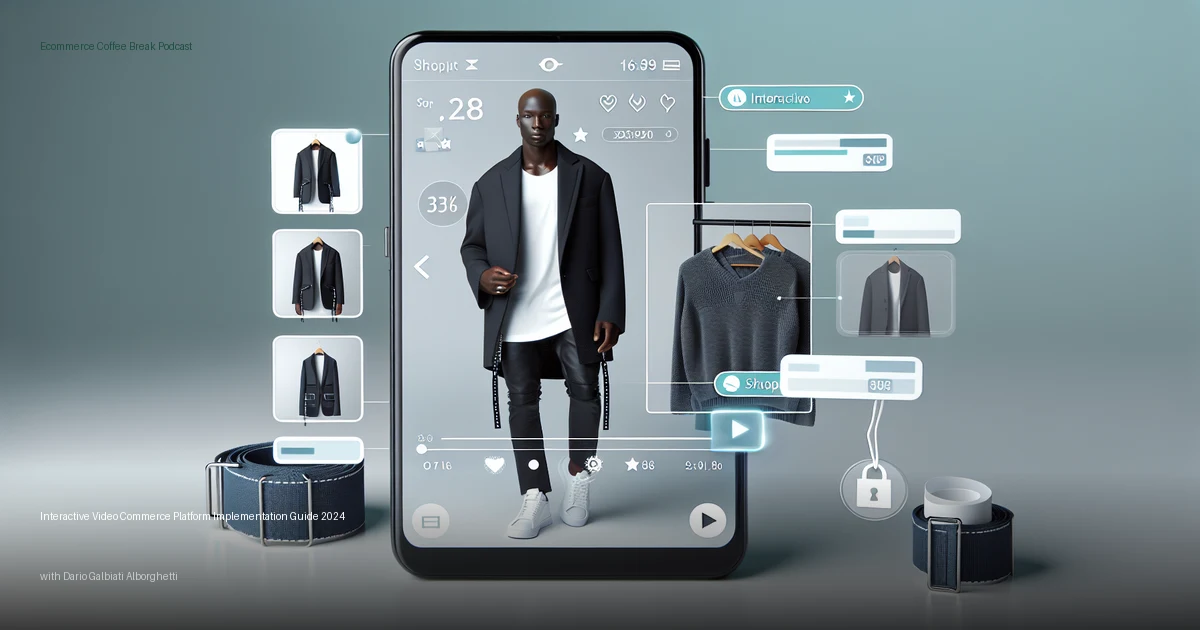
An interactive video commerce platform allows customers to purchase products directly from videos without leaving the viewing experience, creating a seamless path from discovery to purchase. Modern platforms integrate with ecommerce stores to embed shoppable hotspots in videos, enabling customers to add items to cart and complete purchases while watching product demonstrations, reviews, or live streams.
Why Interactive Video Commerce Platforms Are Reshaping Online Shopping
Consumer behavior has fundamentally shifted toward video consumption across all digital touchpoints. As Dario Galbiati Alborghetti, founder of Showday.io, explains, this evolution started with social media platforms: “We’ve been educated consuming content by video. While on social media that became actually a standard, there’s still a big gap between that consumer behavior on social media versus what you find on websites in general.”
This gap represents a massive opportunity for ecommerce brands. Traditional shopping experiences require customers to read product descriptions, view static images, and piece together information about products. An interactive video commerce platform bridges this disconnect by allowing brands to:
- Embed product demonstrations directly on product pages
- Transform user-generated content into shoppable experiences
- Create educational content that drives immediate purchases
- Reduce the friction between product discovery and conversion
The impact is measurable. Brands implementing these platforms report conversion rate improvements ranging from 21% to 25%, depending on implementation strategy and video quality.
Essential Features of High-Converting Video Commerce Platforms
Not all interactive video commerce platforms deliver the same results. The most effective solutions share several critical capabilities that maximize both engagement and conversions.
Seamless Product Tagging and Cart Integration
The platform should allow easy product tagging within videos, connecting directly to your existing product catalog. Advanced systems enable multiple products to be tagged in a single video, increasing average order value by showcasing complementary items together.
Multiple Video Format Support
Different content types require different presentation formats. Leading platforms offer:
- Mini players for homepage promotions and announcements
- Story-style formats mimicking social media experiences
- Carousel displays for multiple product showcases
- Full-screen experiences for detailed product education
Live Shopping Capabilities
Real-time shopping events create urgency and community engagement. The most sophisticated platforms support simultaneous streaming across multiple channels, allowing hosts to reach audiences on their website, Facebook, and YouTube simultaneously while maintaining purchase functionality across all platforms.
Performance Optimization
Site speed remains crucial for ecommerce success. Quality platforms load videos only when users engage, preventing impact on page load times while maintaining the interactive shopping experience.
Strategic Implementation: Where and How to Deploy Interactive Videos
Success with interactive video commerce depends heavily on strategic placement and content selection. Based on real-world case studies, certain approaches consistently deliver superior results.
Landing Page Integration
Landing pages offer the highest-impact testing ground for video commerce implementation. These pages provide controlled environments for A/B testing video effectiveness while driving focused conversion goals. Brands can easily compare conversion rates between traditional landing pages and video-enhanced versions.
Product Page Enhancement
Product detail pages benefit significantly from educational and social proof videos. Beauty brands excel here by showing application tutorials, before-and-after results, and customer testimonials in video format. As one case study demonstrates, a false eyelash brand saw 21% conversion improvements by embedding application tutorials directly on product pages.
Educational Content Strategy
Complex products requiring explanation see the greatest benefit from video commerce integration. Rather than expecting customers to read lengthy product descriptions, brands can create story-format videos that explain features, benefits, and use cases while maintaining purchase functionality throughout the viewing experience.
“One of the main things merchants tell me every day is that their customers just don’t read the product detail pages. Video is actually a great solution because imagine putting a video that is exactly like an Instagram story onto a product page. There’s no need to read the whole thing.” – Dario Galbiati Alborghetti
Technical Setup and Integration Process
Modern interactive video commerce platforms prioritize ease of implementation, recognizing that most marketing teams lack extensive technical resources.
Platform Integration Steps
Most leading solutions follow a standardized setup process:
- Install the app or plugin from your ecommerce platform’s marketplace
- Complete guided onboarding with video upload or social media integration
- Tag products using the connected product catalog
- Customize branding and display settings
- Deploy videos using theme-compatible blocks or widgets
Content Sourcing and Preparation
Successful implementations often start with existing content assets. Brands can repurpose:
- Instagram and TikTok videos through direct platform connections
- Existing product photography sessions recorded as video
- Customer testimonials and unboxing videos
- Simple smartphone recordings of product demonstrations
Analytics and Optimization
Comprehensive tracking enables continuous improvement. Quality platforms provide detailed analytics covering the entire conversion funnel, from video views through add-to-cart actions to completed purchases. Additional engagement metrics like watch time and interaction rates help optimize content strategy over time.
Maximizing ROI Through Advanced Video Commerce Features
Beyond basic video integration, advanced features can significantly amplify results for brands ready to fully embrace video commerce.
Multi-Product Tagging Strategy
Single videos can showcase entire product collections or complementary items, increasing average order value. Fashion brands excel by showing complete outfits with individual items tagged, while home goods companies demonstrate room setups with multiple purchasable elements.
Live Commerce Events
Real-time shopping events create community engagement and purchase urgency. Successful live commerce combines product education with limited-time offers, encouraging immediate action while building brand loyalty through direct customer interaction.
Cross-Platform Distribution
Advanced platforms enable simultaneous streaming across multiple channels, maximizing reach while maintaining conversion tracking. This approach allows brands to meet customers wherever they consume video content while driving them toward purchase decisions.
Key Takeaways
- Interactive video commerce platforms bridge the gap between social media video consumption habits and traditional ecommerce experiences, delivering 21-25% conversion rate improvements.
- Strategic placement on landing pages and product detail pages provides the highest impact, with educational content working particularly well for complex products.
- Modern platforms integrate easily with existing ecommerce stores through marketplace apps, requiring minimal technical expertise for implementation.
- Multiple video formats including mini players, story-style displays, and live streaming capabilities maximize engagement across different customer touchpoints.
- Performance optimization features prevent site speed impact while comprehensive analytics enable continuous improvement of video commerce strategies.
- Multi-product tagging and cross-platform distribution capabilities amplify both average order value and customer reach for advanced implementations.