

AI-Powered Operations Management: Scale Without Spreadsheets
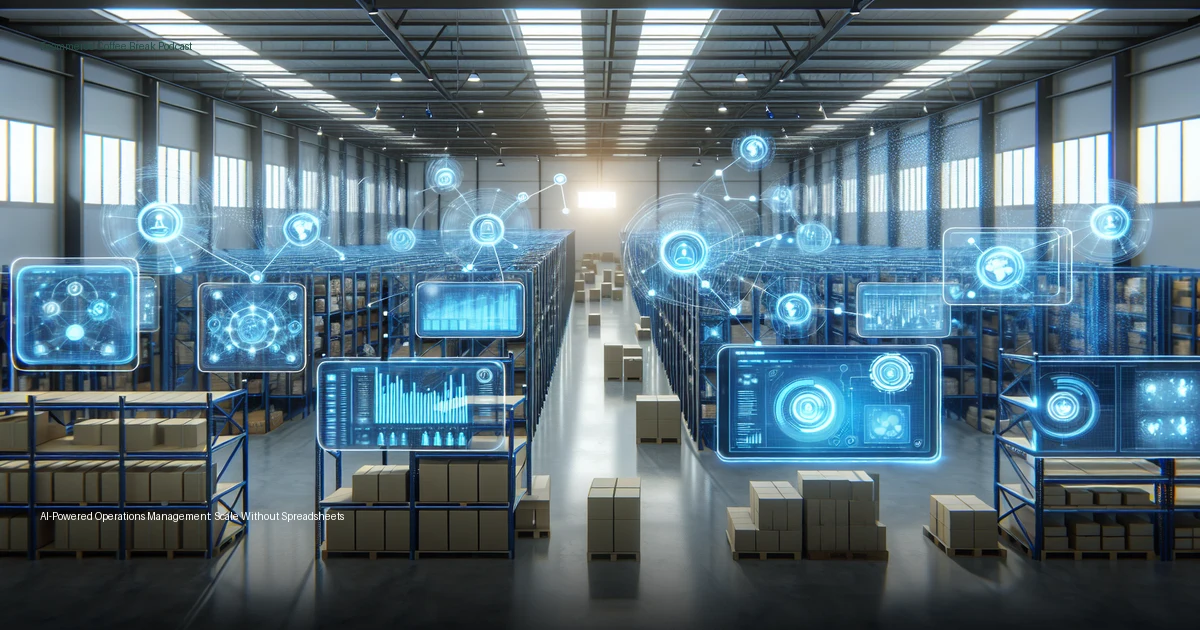
AI-powered operations management is revolutionizing how ecommerce businesses scale by connecting disparate systems, eliminating manual spreadsheet work, and providing intelligent insights for operational efficiency. Modern brands are shifting focus from pure marketing spend to operational excellence because seamless backend processes directly impact customer satisfaction and profitability at scale.
Why Operations Beat Marketing for Long-Term Growth
The selling problem has been solved. Platforms like Shopify make it incredibly easy to set up a store within days, while marketplaces like Amazon let you start selling immediately by sending them a pallet. However, as Mo Afshar, CEO and Co-Founder of Pipe17, explains, “The real question we asked ourselves is: How do people handle operations? Operations is always the last thing that anybody thinks about.”
This operational blindness creates a bottleneck that no amount of marketing can fix. When brands successfully attract customers but fail to deliver consistent experiences across channels, they lose hard-won market share. The challenge intensifies as businesses expand beyond single-channel selling.
Consider the operational complexity that emerges when a brand grows from a simple Shopify-to-3PL setup to selling across multiple marketplaces, retail partnerships, and direct channels. Each new channel requires integration with existing systems—ERPs, inventory management, returns processing, and financial reporting. Without proper operational infrastructure, this growth becomes unsustainable.
The Three-Bucket Framework for Operational Scaling
Successful AI-powered operations management addresses operational challenges across three distinct categories:
1. Multi-Channel Expansion
Brands need to meet consumers where they are, whether that’s TikTok Shop, Costco, or traditional retail locations. Each channel has unique requirements for product data, inventory sync, and order processing. AI-powered systems can automatically format and route this information without manual intervention.
2. System Integration Complexity
As businesses grow, they accumulate more systems: marketplaces, selling channels, return systems, ERPs, data lakes, and multiple 3PLs. Traditional integration approaches require six-month development projects for each new connection. AI-powered solutions can establish these connections in hours rather than months.
3. Cost Optimization
Legacy infrastructure becomes expensive and inflexible over time. Modern AI-powered operations management platforms provide cost transparency and optimization recommendations, such as suggesting new 3PL locations when shipping costs spike or identifying inventory allocation inefficiencies.
Implementing AI as Your Operational Teammate
The most effective approach to AI-powered operations management treats AI as an additional team member rather than a replacement tool. This AI teammate performs three critical functions:
Automated System Connectivity
Instead of requiring developers to connect each new system, AI can establish connections using natural language processing and pattern recognition. For example, connecting TikTok Shop to NetSuite or Acumatic becomes a configuration task rather than a development project.
Anomaly Detection and Error Prevention
AI monitoring systems learn normal operational patterns and flag deviations before they become costly problems. Double shipments, inventory discrepancies, and fulfillment delays get caught early, preventing customer service issues and financial losses.
Proactive Insights and Recommendations
By monitoring order flows across all channels, AI can identify trends and make proactive recommendations. This might include suggesting optimal inventory distribution, identifying profitable channel opportunities, or recommending operational process improvements based on performance data.
“Our vision is that operational people have a teammate, and that is the AI. That AI enables them to work much more effectively and much more efficiently than they could ever do before,” explains Mo Afshar.
The Order-Based Success Model
The most sustainable approach to AI-powered operations management aligns costs with business success. Order-based pricing models ensure that operational infrastructure costs scale proportionally with revenue growth. This approach eliminates the risk of operational tools becoming cost centers during slower periods while ensuring adequate support during peak demand.
This pricing structure also forces solution providers to focus on actual business outcomes rather than feature complexity. When costs are tied directly to successful order fulfillment, the incentive alignment ensures that operational improvements translate to measurable business value.
Implementation Best Practices:
- Start by mapping current system connections and identifying manual touchpoints
- Prioritize integrations based on order volume and error frequency
- Establish clear requirements for how orders should flow between systems
- Test AI-powered workflows with small order volumes before scaling
- Monitor cost savings and operational efficiency improvements monthly
Key Takeaways
- AI-powered operations management eliminates the need for spreadsheet-based order processing and manual system integration.
- Operational excellence provides sustainable competitive advantage while pure marketing spend offers diminishing returns at scale.
- Modern AI systems can connect previously incompatible business systems in hours rather than months of development time.
- AI anomaly detection prevents costly operational errors like double shipments and inventory discrepancies before they impact customers.
- Order-based pricing models align operational infrastructure costs with business success, eliminating fixed cost risks.
- The most effective approach treats AI as an operational teammate that enhances human decision-making rather than replacing operational staff.