

How to Build Fashion Brand Without Buying Inventory Upfront
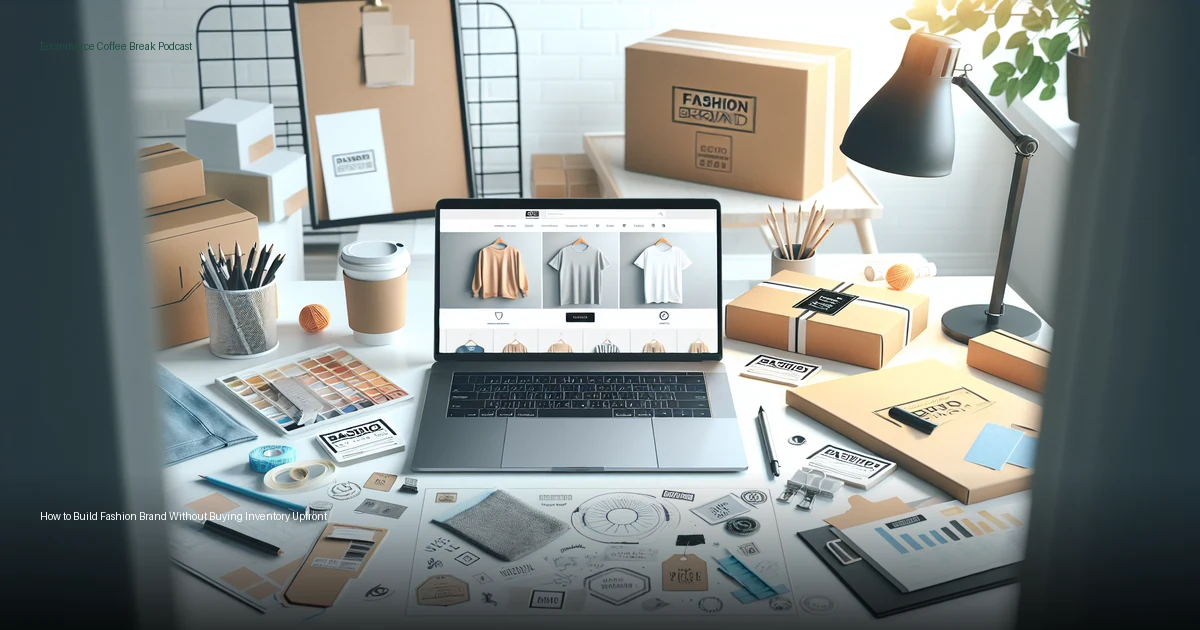
You can build a successful fashion brand without inventory by using automated fulfillment services that handle custom branding, allowing you to test products and build customer loyalty before committing to bulk purchases. This approach eliminates the traditional risk of minimum order quantities while enabling you to create authentic branded experiences for customers.
Why Traditional Inventory Models Kill Fashion Startups
Minimum order quantities (MOQs) force founders to gamble before they have market proof. As Paul Yu, Founder and CEO of eProlo explains, “MOQs force founders to gamble before they have proof. Cash gets locked into inventory, trends move on, boxes sit unsold, and a lot of strong clothing ideas never make it to launch.”
The traditional model creates several critical problems:
- Cash flow constraints: New brands must invest thousands upfront without knowing if products will sell
- Trend misalignment: Fashion moves fast, and by the time inventory arrives, consumer preferences may have shifted
- Seasonal planning challenges: Wrong predictions about seasonal demand can result in unsold inventory
- Storage and management costs: Physical inventory requires warehouse space and ongoing management
Paul shared a case study of Italian retailers who faced “huge cash flow issues” during COVID because their traditional model required buying massive inventory upfront from China before knowing customer demand.
The Custom Branding Solution for Fashion Brand Without Inventory
The key to building a legitimate fashion brand without inventory lies in custom branding integration at the fulfillment level. Here’s how modern brands solve the authenticity problem:
1. Remove Original Labels and Tags
Products arrive at fulfillment centers where teams remove manufacturer tags and labels, creating a blank canvas for your brand.
2. Apply Your Brand Elements
Custom tags with your brand name, logo, and care instructions get sewn onto garments. This process typically costs around $20 to set up and creates professional-looking branded items.
3. Custom Packaging Integration
Items get packed in branded bags, boxes, and packaging materials featuring your logo and brand colors, ensuring customers receive a cohesive unboxing experience.
4. Direct-to-Customer Shipping
The entire process happens in fulfillment centers, with orders shipping directly to customers under your brand name, eliminating the “random supplier” problem that plagued early dropshipping.
“When customers receive the parcel, everything is matched. They buy from ABC brand and receive items with the ABC brand tag. We take care of the brand changing job in our warehouse.” – Paul Yu
Start Ultra-Specific: The Micro-Niche Strategy
Paul shared a compelling success story of a New York team that grew from zero to multi-million dollar revenue by following a micro-niche approach for their fashion brand without inventory:
Phase 1: Ultra-Specific Product Focus
Instead of targeting “socks” generally, they focused exclusively on “socks for ladies who love yoga.” This micro-niche approach provided several advantages:
- Easier audience identification and targeting
- Lower competition from major brands
- More focused marketing messages
- Higher conversion rates due to product-audience fit
Phase 2: Strategic Brand Expansion
After establishing their yoga sock brand, they expanded to yoga shirts for the same audience. This worked because they already had:
- A targeted email list of yoga enthusiasts
- Social media followers interested in yoga gear
- Customer data and feedback
- Proven demand within their niche
Phase 3: Portfolio Development
The team eventually built four separate brands, all targeting the same demographic (active women) but with different specific products. Each brand maintained its focused positioning while leveraging shared customer insights.
Automation and Integration Essentials
Running a fashion brand without inventory requires seamless technology integration. The most successful brands implement these automated systems:
Platform Integration
Connect your fulfillment service with your selling platforms (Shopify, Amazon, eBay, WooCommerce) so orders automatically sync without manual intervention.
Inventory Management
Real-time inventory tracking prevents overselling and automatically updates product availability across all channels.
Order Processing
Automated order routing sends customer details, shipping addresses, and product specifications directly to fulfillment centers for immediate processing.
Quality Control Systems
Establish clear protocols for product inspection, brand application, and packaging quality to maintain consistent customer experiences.
The integration process typically involves installing apps on your e-commerce platform and configuring automated workflows. Once set up, the system handles everything from order receipt to customer delivery without requiring daily management.
Key Takeaways
- Fashion brands can eliminate inventory risk by using automated fulfillment services that handle custom branding and direct shipping to customers.
- Starting with ultra-specific micro-niches allows new brands to compete effectively against established players while learning essential business skills.
- Custom branding at the fulfillment level creates authentic brand experiences without requiring upfront inventory investment or minimum order quantities.
- Strategic expansion works best when new products target the same customer base you’ve already built and understand.
- Platform integration and automation are essential for scaling a fashion brand without inventory while maintaining quality customer experiences.
- The traditional model of buying inventory upfront creates unnecessary cash flow risks that modern fulfillment solutions eliminate.