

Consumer-Elected Package Protection: A Revenue-Boosting Strategy
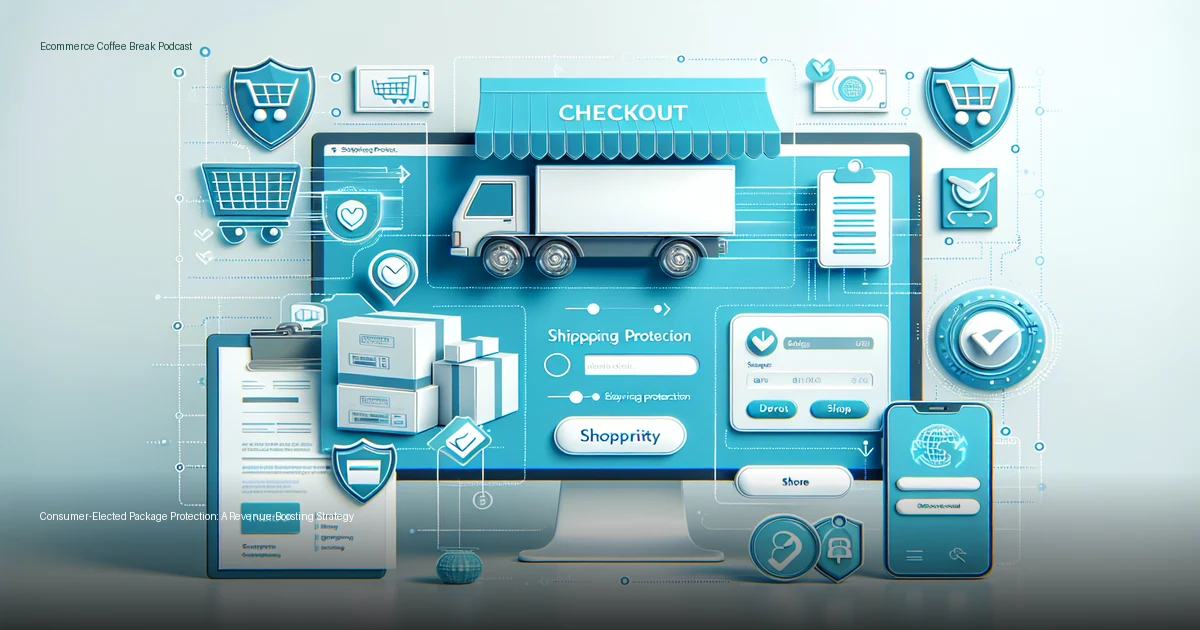
Consumer-elected package protection allows customers to opt-in for shipping insurance during checkout, transforming a business expense into a revenue opportunity while reducing merchant liability. This approach can significantly boost conversion rates by providing peace of mind to customers while protecting merchants from the financial impact of lost, damaged, or stolen packages.
The Hidden Costs of Carrier Liability Misconceptions
Most ecommerce merchants operate under a dangerous misconception about shipping protection. What carriers offer isn’t true insurance—it’s liability coverage that only applies when you can prove the carrier was at fault, and it only covers replacement costs, not the full invoice value you charged customers.
According to Jared Haas from UPS Capital, carriers pay out claims approximately 50% of the time, and when they do, “they’re only gonna pay for the replacement cost, so not what you sold the goods for, but what it would cost you to replace them and they’re not gonna take care of your shipping costs.”
This creates several costly problems for merchants:
- Claims processing can take weeks or months
- Porch piracy (affecting 210 million packages annually) is never covered by carrier liability
- Merchants face the choice between angry customers and absorbing losses
- Customer service time is consumed by claim disputes rather than growth activities
Implementing Consumer-Elected Package Protection Strategy
The most effective approach to shipping protection involves giving customers control while maintaining backend business rules that protect your interests. Here’s how to structure this system:
1. Offer Transparent Checkout Options
Display consumer-elected package protection as a toggle option during checkout. This transparency builds trust and positions your store as more professional than competitors who don’t offer protection.
2. Set Smart Backend Business Rules
Configure automatic protection triggers for situations where customers decline coverage:
- Order value thresholds (e.g., automatically insure orders over $75)
- Specific SKU protection for high-value or fragile items
- Geographic rules for international or high-risk delivery areas
- Universal protection for all declined consumer elections
3. Customize Risk Management
Use these rules in combination to create a comprehensive protection strategy. For example, you might offer consumer election on domestic orders under $100 while automatically protecting all international shipments and high-value items regardless of customer choice.
Converting Protection Into a Competitive Advantage
Smart merchants use consumer-elected package protection as a differentiation strategy rather than just risk management. This approach addresses the Amazon conditioning problem—customers expect free shipping but are willing to pay for protection when positioned correctly.
Position protection as a premium service feature:
- Display protection badges prominently on product pages
- Include “worry-free shopping” messaging in marketing materials
- Use protection offerings in email marketing and abandoned cart sequences
- Highlight full invoice value coverage (including shipping costs) as a benefit
“We give you the opportunity to offer your customers shipping insurance… it gives them that worry free buying solution right there,” explains Jared Haas, emphasizing how protection becomes a conversion tool rather than just a cost center.
Technical Implementation and Cost Structure
Modern shipping protection solutions integrate seamlessly with ecommerce platforms, requiring minimal technical knowledge or ongoing management. The most sophisticated apps allow immediate activation—you can protect orders within minutes of installation.
Cost structure typically follows a simple model:
- Premium carriers (UPS, FedEx, DHL): $0.80 per $100 of coverage
- USPS shipments: $0.95 per $100 of coverage
- Consumer-facing pricing: $0.95 per $100 of coverage
- No monthly fees or setup costs for most platforms
The key advantage of consumer-elected protection is that when customers choose coverage, they’re essentially paying for your risk management while feeling more confident about their purchase. When they decline, your backend rules ensure you’re still protected on high-risk or high-value orders.
Maximizing Revenue Through Protection Upsells
Consumer-elected package protection creates multiple revenue opportunities beyond just covering losses. Customers who purchase protection demonstrate higher purchase intent and often have higher lifetime values.
Revenue optimization strategies include:
- A/B testing protection placement in the checkout flow
- Bundling protection with expedited shipping options
- Creating protection-included product tiers
- Using protection data to identify and target high-value customer segments
The protection fee becomes additional margin while simultaneously reducing your liability exposure. This dual benefit—increased revenue and decreased risk—makes consumer-elected protection one of the most effective operational improvements for growing ecommerce businesses.
Key Takeaways
- Carrier liability covers only replacement costs and requires proving carrier fault, leaving merchants exposed to significant losses from porch piracy and shipping issues.
- Consumer-elected package protection transforms shipping insurance from a business expense into a revenue opportunity while maintaining customer satisfaction.
- Backend business rules allow merchants to automatically protect high-risk orders even when customers decline coverage, ensuring comprehensive protection.
- Protection offerings can differentiate your store from competitors and increase conversion rates by providing worry-free shopping experiences.
- Modern protection apps integrate instantly with ecommerce platforms, requiring no technical expertise and costing approximately $0.80-$0.95 per $100 of coverage.
- Multi-carrier protection solutions work with all major shipping providers, not just individual carrier networks, providing flexibility in shipping choices.