

How Influencer External Traffic Fuels Amazon, Shopify & DTC Brand Growth
Guest post by William Gasner, CMO of Stack Influence
Influencer external traffic can be a game-changer for online sellers. It drives shoppers from social media and other platforms to your product pages, whether on Amazon, your Shopify store, or your own direct-to-consumer (DTC) site. That means more eyes on your products, leading to higher sales, better Amazon rankings, and stronger brand awareness. In this article, we'll explore how influencer external traffic supports growth for Amazon sellers, Shopify merchants, and DTC brands alike.
Why External Traffic Matters for Online Sellers
Relying only on marketplace or organic traffic can limit your growth. Amazon sellers benefit from bringing in outside visitors because Amazon’s algorithm (known as A10) rewards listings that attract external traffic. In fact, Amazon even offers a Brand Referral Bonus program that gives sellers an average 10% bonus on sales driven by off-Amazon referrals when you use Amazon’s tracking tools. More external visits signal to Amazon that your product is popular beyond its site, which can boost your search ranking and visibility on the platform.
For Shopify merchants and DTC brands, external traffic is just as critical. Unlike Amazon, your own online store doesn't have a built-in audience browsing a marketplace – you have to bring customers to your site (Shopify launched a free tool called Shopify Collabs to help merchants find and partner with influencers). Every new visitor you attract is a potential customer you wouldn’t reach otherwise. By driving people from social platforms, blogs, or influencer recommendations, you increase your chances of making sales and growing a loyal customer base. More importantly, you own the customer relationship and data when the sale happens on your site.
How Influencers Drive External Traffic
Influencer marketing has emerged as one of the most effective ways to generate external traffic for e-commerce. Why is it so effective? Influencers already have an audience that trusts them. When they talk about a product, their followers listen. Essentially, the influencer’s recommendation serves as word-of-mouth on a massive scale.
Another big benefit is brand awareness. Even if someone doesn’t buy immediately, seeing your product featured by an influencer puts your brand on their radar. It might take a few exposures before a customer converts, but influencer content starts that journey by introducing your brand in an authentic way. Unlike a traditional ad, influencer content feels more organic and relatable, which can warm up an audience that would ignore a plain advertisement.
Micro-Influencers vs. Macro-Influencers
When planning an influencer campaign, you might wonder whether to go with big celebrity influencers or smaller creators. Mega-influencers (think celebrities with millions of followers) can get your brand in front of a lot of people, but they often charge hefty fees and may not have a tightly focused audience. On the other hand, micro-influencers (usually tens of thousands of followers or less) tend to have higher engagement rates – in fact, influencers with under 100k followers generate up to 60% more engagement than those with larger followings. Their audiences are smaller but often highly targeted, and they enjoy a higher level of trust with their followers.
For Amazon sellers, that engagement can translate to traffic and sales velocity, which improves your rank. For Shopify/DTC brands, working with niche influencers means you're reaching people who genuinely care about your product category (for example, a fitness micro-influencer’s followers for a new protein snack brand).
Authentic Content Wins
Another reason influencers are powerful traffic drivers is the authentic content they create. Influencers integrate products into real-life usage or creative storytelling, which resonates with viewers. User-generated style content – whether it's an unboxing video, a tutorial, or a lifestyle photo – feels genuine. This authenticity builds trust and sparks curiosity. Viewers might think, "If this person likes the product, maybe I will too," and then click through to learn more.
From the brand’s perspective, this type of content is marketing gold. You can often repurpose influencer content on your own social media, website, or Amazon page (with permission), amplifying its impact. Plus, social media posts by influencers have a shareable quality. Followers might tag friends or share the post, creating a ripple effect that brings even more visitors to your product page.
Top Sources of Influencer External Traffic
Not all external traffic is equal. Here are some sources where influencers can boost your reach:
- Social Media Posts: Platforms like Instagram, TikTok, and Facebook are where influencers shine. A single Instagram story with a swipe-up link or a TikTok video reviewing your product can send a surge of curious shoppers to your site. With over 5 billion global social media users, the scale is huge.
- YouTube Reviews and Unboxings: YouTube influencers often include product links in their video descriptions. A positive video review or unboxing can drive consistent traffic as the video gains views over time. Viewers searching for product reviews on YouTube are likely already interested in buying, so this traffic can convert well.
- Blog Features: Some influencers are also bloggers who can write posts about your product or include you in gift guides, then link to your store. Blog posts have the advantage of SEO; they might rank on Google and send you organic traffic for months or years. A well-written blog feature not only drives traffic but also lends credibility to your brand.
- Affiliate Links and Discount Codes: When you give influencers a unique link or coupon code, any traffic and sales they drive can be tracked. Influencers are motivated to share these because they often earn a commission or can offer their followers an exclusive deal. This method works well for both Amazon (using Amazon Associates links or the Amazon Influencer Program) and independent DTC stores.
By leveraging these channels, you cover multiple touchpoints. Someone might discover your product in an influencer’s Instagram post, then later see a YouTube review, and eventually click through a blog link to purchase. Each encounter builds familiarity and trust.
Utilize Micro Influencing Platforms
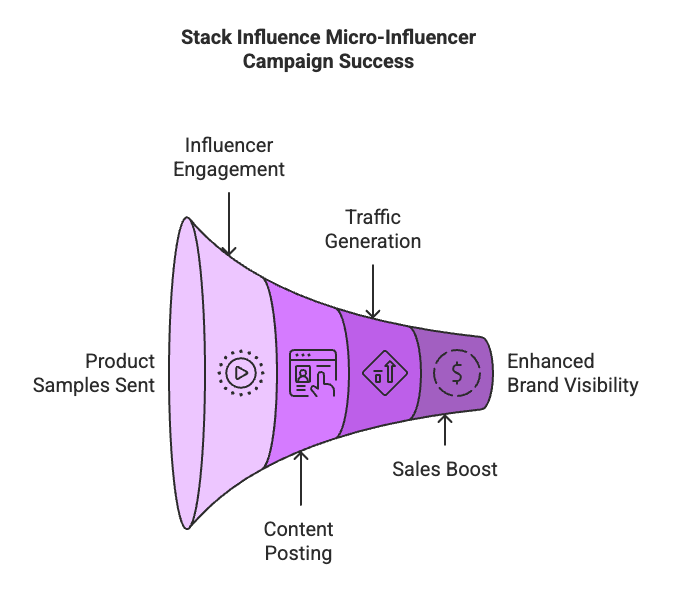
One of the most efficient ways to run a micro-influencer campaign is by using a platform specifically designed for it. Stack Influence is a micro-influencer marketing platform that helps brands (Amazon sellers and DTC brands alike) run large-scale influencer campaigns on autopilot. Stack Influence connects you with hundreds of micro-influencers in your niche. You typically send them free product samples in exchange for content posts featuring your product. The platform automates the outreach, product shipping coordination, and tracking of posts, so you don't have to manage each influencer collaboration individually.
The payoff can be huge. With a swarm of micro-influencers posting about your product, you generate a ton of external traffic from different social media accounts all at once. This can lead to a rapid increase in sales. For Amazon sellers, that boost in sales velocity combined with the external traffic signals can propel your listing higher in the rankings – even helping new products become best-sellers. Stack Influence has even helped turn new product launches into six-figure Amazon listings in a matter of months. For DTC and Shopify brands, a coordinated micro-influencer blitz can drive a significant spike in store visits and conversions. It puts your brand on the map in your category.
Another advantage of a platform like Stack Influence is cost-effectiveness. Because micro-influencers are often paid mostly with free product (and sometimes a small fee), you get marketing exposure at a fraction of the cost of traditional ads or big influencer sponsorships. It's a win-win: influencers get cool products to share with their followers, and you get authentic promotion, external traffic, and social proof for your brand.
Tips for a Successful Influencer Traffic Campaign
Launching an influencer-driven external traffic campaign requires some planning. Keep these tips in mind:
- Find the Right Influencers: Look for influencers who align with your product niche and brand values. A smaller influencer whose followers are your target market is more valuable than a big name who appeals to the wrong crowd. If you sell eco-friendly yoga mats, a yoga instructor with 10k engaged followers is likely more effective than a TV celebrity with 1M followers who rarely posts about fitness.
- Set Clear Goals: Decide what you want from the campaign – is it a sales boost, a burst of traffic, content creation, or all of the above? Clear goals will shape your strategy. For instance, if your goal is sales on Amazon, provide influencers with an Amazon affiliate link to track conversions and to leverage Amazon’s Brand Referral Bonus program. If your goal is brand awareness for a new Shopify store, focus on engaging storytelling and perhaps offer a discount code to entice first-time buyers.
- Provide Guidance, Not Scripts: Give your influencers some key points about your product (features, benefits, unique selling points) and any must-mention details like a discount code or campaign hashtag. Then let them create content in their own voice. Influencers know their audience best, and content comes off more authentic when they have creative freedom.
- Timing Matters: Coordinate the timing of posts if you can. A concentrated burst of influencer posts within a few days can create buzz and a notable traffic spike (which can help with Amazon’s algorithm). It also gives a sense of a trend — if multiple people I follow are talking about the same product this week, I’m more likely to check it out.
- Track Performance: Use tracking links or analytics to see how much traffic and sales come from each influencer or platform. Amazon sellers can use Amazon Attribution to monitor external traffic performance, while Shopify merchants can use UTM parameters or built-in analytics. This data is gold – it shows you which influencers delivered results and helps inform future campaigns.
- Engage and Follow Up: When an influencer posts, engage with their content. Answer questions that followers ask in the comments, and thank the influencer. This not only boosts the post's visibility (more engagement can trigger social platforms to show it to more people) but also leaves a positive impression on potential customers. After the campaign, consider re-engaging high-performing influencers for future collaborations or even bringing them on as long-term brand ambassadors.
Conclusion to How Influencer External Traffic Helps Increase Amazon Growth
In today’s e-commerce landscape, influencer external traffic is a powerful driver of growth for Amazon sellers, Shopify store owners, and DTC brands. It bridges the gap between social media buzz and actual store visits, turning online chatter into checkouts. By partnering with influencers who genuinely connect with your target audience, you build trust and tap into new customer networks that might be unreachable through classic advertising alone.
Amazon sellers see the benefits through better category and keyword rankings improving their marketplace visibility and recurring revenue, while Shopify and DTC brands gain a steady stream of visitors that they can convert and re-market to on their own terms. The key is to approach influencer marketing strategically – focus on authenticity, relevance, and consistent engagement.
Whether you manage a campaign yourself or leverage platforms like Stack Influence to automate and scale it, now is the time to incorporate influencer-driven external traffic into your growth strategy. It’s one of the few marketing tactics that not only boosts immediate sales but also lays the groundwork for long-term brand loyalty and community building. In an era where 74% of DTC brands say social media influencers are their top marketing channel, tapping into that influence is no longer optional – it’s a must for staying competitive.
Author Bio: William Gasner is the co-founder and Chief Marketing Officer of Stack Influence, he’s a 6X founder, a 7-Figure eCommerce seller, and has been featured in leading publications like Forbes, Business Insider, and Wired for his thoughts on the influencer and eCommerce industries.