

Customer Lifetime Value Strategies: Turn Data Into Retention Gold
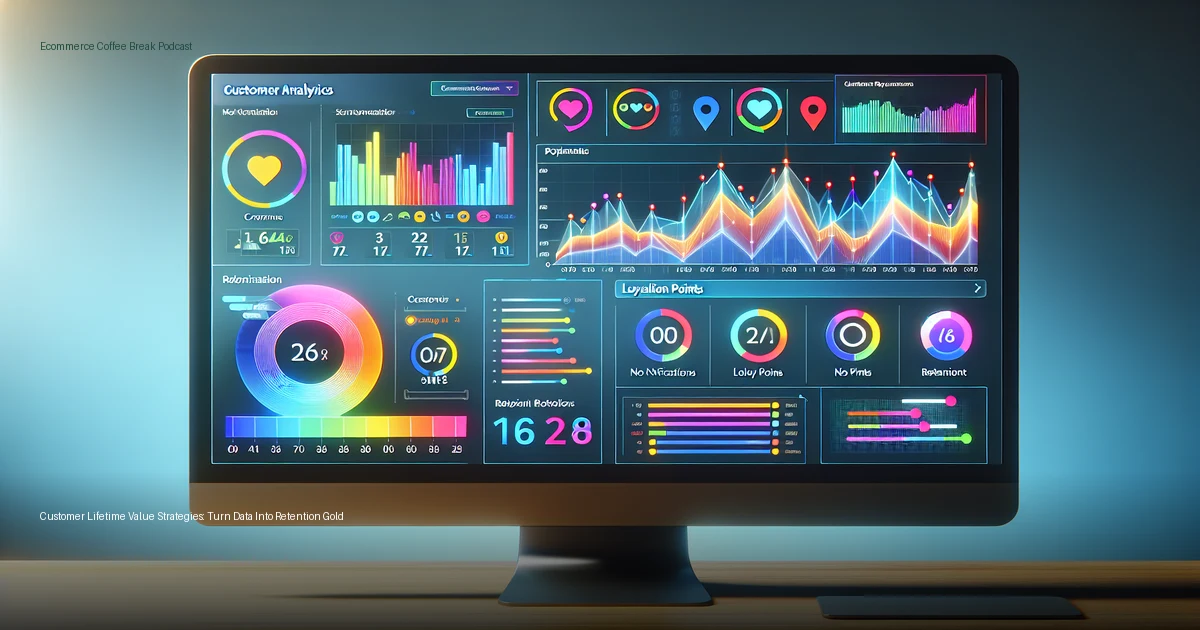
Effective customer lifetime value strategies focus on transforming scattered data into unified insights that drive repeat purchases and reduce churn. By consolidating reviews, loyalty programs, SMS marketing, and subscription data into a single view, ecommerce brands can increase conversion rates by up to 66% while achieving ROI returns of 81x or higher.
The Smart Data Problem: Why Most Brands Struggle With Customer Lifetime Value Strategies
The biggest challenge facing ecommerce brands today isn’t lack of data—it’s what Danielle Butera of Yotpo calls “strategy paralysis.” Brands collect massive amounts of customer information across multiple platforms, but they can’t transform this raw data into actionable customer lifetime value strategies.
According to Butera, four critical issues prevent brands from maximizing retention:
- Overly complex tech stacks that require constant toggling between different solutions
- Disconnected data silos that create blind spots in the customer journey
- Improper retention tracking that misses key metrics like time-to-next-purchase and churn risk
- Incomplete performance data that provides volume without actionable insights
The solution lies in creating what Butera describes as a “unified data layer” that consolidates customer information across all touchpoints. When brands can see reviews, loyalty points, SMS engagement, and purchase history in one place, they can finally build effective customer lifetime value strategies that drive real results.
Essential Metrics That Actually Impact Customer Lifetime Value
Most ecommerce brands track vanity metrics that don’t directly improve retention. The most successful customer lifetime value strategies focus on six core metrics that provide actionable insights:
- Repeat Purchase Rate: The percentage of customers who make a second purchase within a specific timeframe
- Customer Churn Rate: How quickly customers stop engaging with your brand
- Time to Next Purchase: The average gap between first and second purchases
- Purchase Frequency: How often loyal customers return to buy
- Average Order Value: The metric most directly impacted by loyalty programs and targeted campaigns
- Customer Sentiment Data: Review sentiment analysis that predicts future purchasing behavior
Butera emphasizes that Average Order Value represents one of the biggest opportunities for immediate improvement. “How can we take customers that have purchased maybe just one time or continue to spend X amount, and get them to come back and spend more?” she explains. Loyalty solutions specifically address this challenge by incentivizing larger purchases and more frequent visits.
The key insight here is that these metrics work together. A customer with high sentiment scores (positive reviews) but low purchase frequency might respond well to SMS reminders about loyalty points. Someone with high AOV but long gaps between purchases could benefit from subscription offers that create predictable revenue streams.
The SMS Marketing Multiplier Effect on Retention
SMS marketing represents the most cost-effective channel for implementing customer lifetime value strategies, but only when integrated with broader retention data. Butera shared compelling performance metrics from brands using SMS as part of their unified approach:
- 81x ROI when loyalty data informs SMS flows
- 100x+ ROI when loyalty data drives SMS campaigns
- 66% higher conversion rates for SMS review requests versus email
The reason SMS performs so well in customer lifetime value strategies comes down to timing and personalization. “Everyone has their phone in their pocket,” Butera notes. “We want every message that a customer receives to feel like it was personalized for them and not rely on that batch and blast send mentality.”
Successful SMS retention campaigns leverage predictive analytics to identify customers likely to churn within 90 days. Instead of sending generic discount codes, these messages reference specific products the customer previously purchased, remind them of available loyalty points, or offer subscriptions for items they buy regularly.
“80% of consumers are going to be more loyal to a brand that delivers tailored experiences. SMS is really central to retention marketing because we know it’s going to drive effective communication when done correctly.” – Danielle Butera, Yotpo
Building the Retention Ecosystem: From First Purchase to Subscription
The most effective customer lifetime value strategies don’t treat retention as a separate activity—they build it into every stage of the customer journey. Butera outlined how successful brands create this ecosystem:
Stage 1: Ensuring Valuable First Purchases
Everything starts with reviews and visual user-generated content. When customers can see how products look and feel on different users, they make better purchase decisions. This reduces returns and increases satisfaction, setting the foundation for long-term relationships.
Stage 2: Post-Purchase Engagement
After the first purchase, customers receive SMS requests to leave reviews. This serves dual purposes: gathering social proof for future customers while keeping recent buyers engaged with the brand through the SMS channel.
Stage 3: Loyalty Program Introduction
Once customers leave positive reviews, SMS flows introduce them to loyalty programs. The message might read: “We saw that you loved your purchase—you gave it five stars. Remember that you can now use this purchase as points you’ve gathered to come back and make your next purchase.”
Stage 4: Subscription Conversion
Loyal customers who make repeat purchases become candidates for subscriptions. “We live in a microwave society,” Butera explains. “If you can’t get something easily and within 60 seconds, customers are moving on.” Subscriptions remove friction while providing predictable revenue for brands.
This ecosystem approach ensures that customer lifetime value strategies work together rather than competing for attention. Each touchpoint strengthens the relationship while providing data that improves future interactions.
Key Takeaways
- Consolidating customer data from reviews, loyalty, SMS, and subscriptions into a unified view is essential for effective customer lifetime value strategies.
- Focus on six core metrics: repeat purchase rate, churn rate, time to next purchase, frequency, average order value, and customer sentiment data.
- SMS marketing achieves 81x ROI when integrated with loyalty data and 66% higher conversion rates than email for review requests.
- Build retention into every customer journey stage, from first purchase through subscription conversion, rather than treating it as a separate activity.
- Use predictive analytics to identify customers likely to churn within 90 days and intervene with personalized offers before they make up their mind.
- Average Order Value represents the biggest immediate opportunity for improvement through targeted loyalty campaigns and SMS flows.